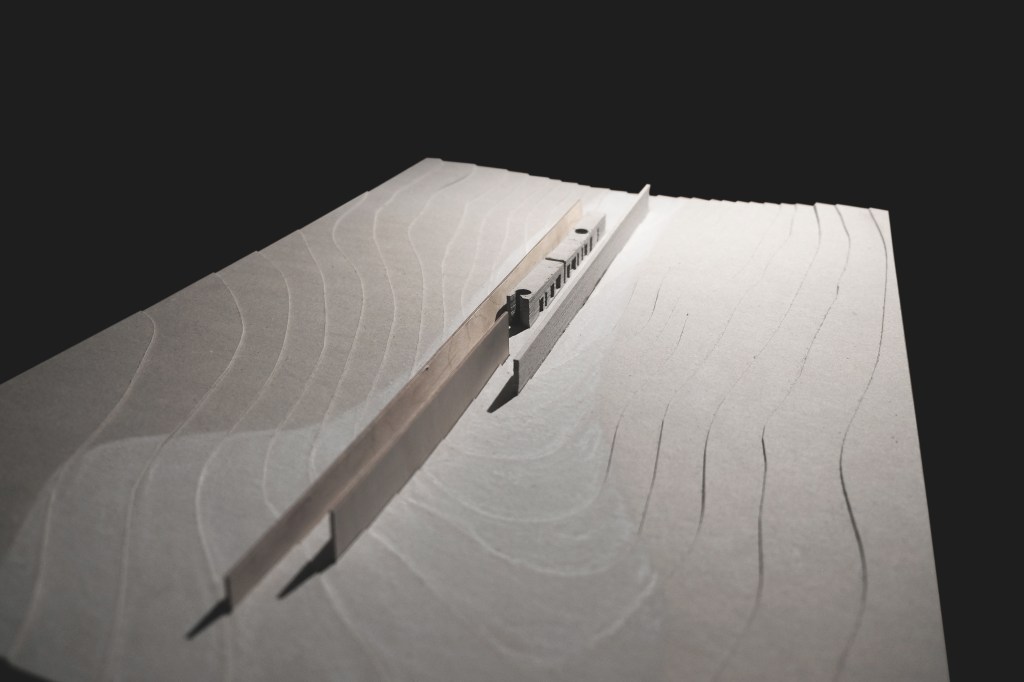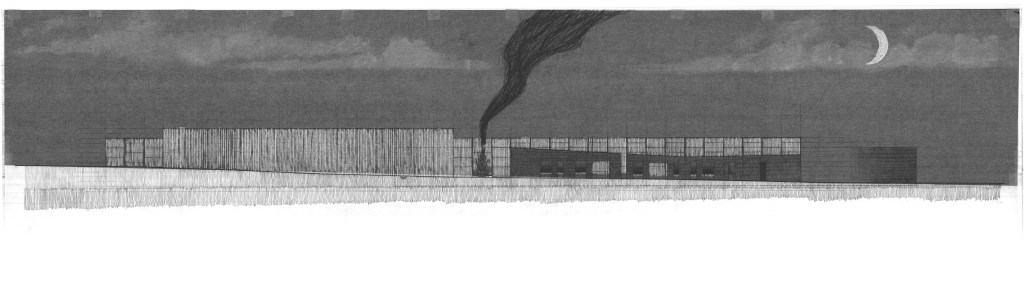
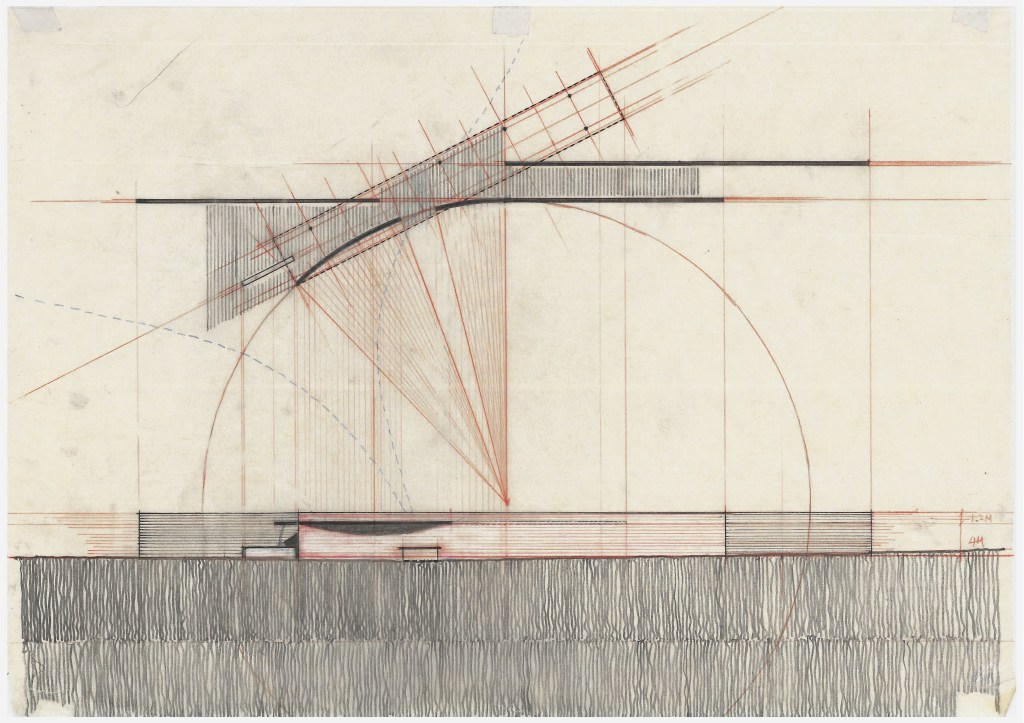
Shelters of Agri-culture
SCHOOL: Aarhus School of Architecture
STUDIO: Studio 2A / Building Design and Technique
SUPERVISOR: Carolina Dayer, MArch, PhD cd@aarch.dk
CONTRIBUTION: Individual work
WORKING PERIOD: Feb. 2017 – Jun. 2017 (5 month)
LOCATION: Barrit, Denmark
TYPE : Pavilion, shelter
Architecture in the countryside
What is happening in the countryside? The transformation of agriculture brought discordance between latent traditions and the latest technology, which caused the severing of our memory. This also led to disconnect the relationship between nature and human intervention. For the architecture of the countryside, we should embody forgotten actions regarding agriculture and nature into space, through the use of memory. It can be one of the approaches for rural architecture or agricultural construction that it is unlike the approach for urban situations.
One approach for the architecture of the countryside is in recollecting our old memories and actions, which are latent in our body and tradition. Architecture has always inherently shaped the way we act and behave through the choreographing of space. How we see nature and technology is not the point, but we need to think about where we have come from and how the basis of this can be manifested, allowing us to live in the present. Through architecture, as the threshold between the past and the present, we can realise our existence as part of nature and time – the moment that space becomes a place in our memory.
Spatial Anamnesis: tectonic and memory
“Anamnesis means remembrance or reminiscence, the collection and re-collection of what has been lost, forgotten, or effaced. It is therefore a matter of the very old, of what has made us who we are. But anamnesis is also a work that transforms its subject, always producing something new. To recollect the old, to produce the new: that is the task of Anamnesis.” – a re.press series
“All experience implies the acts of recollecting, remembering and comparing. An embodied memory has an essential role as the basis of remembering a space or a place. We transfer all the cities and towns that we have visited, all the places that we have recognised, into the incarnate memory of our body. Our domicile becomes integrated with our self-identity; it becomes part of our own body and being.” -Juhani Pallasmaa, The Eyes Of The Skin
The lost action in agriculture
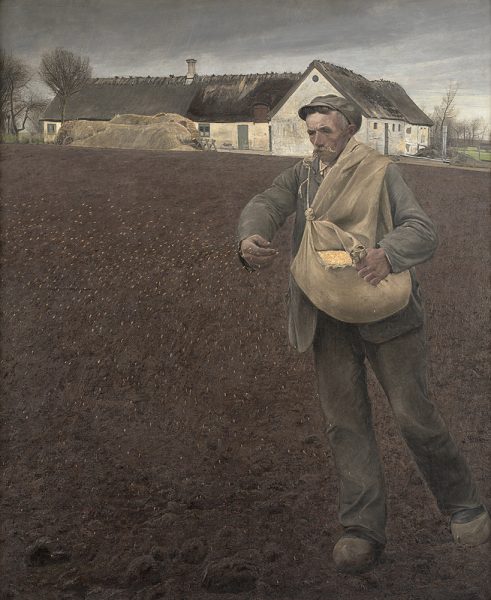
Sowing 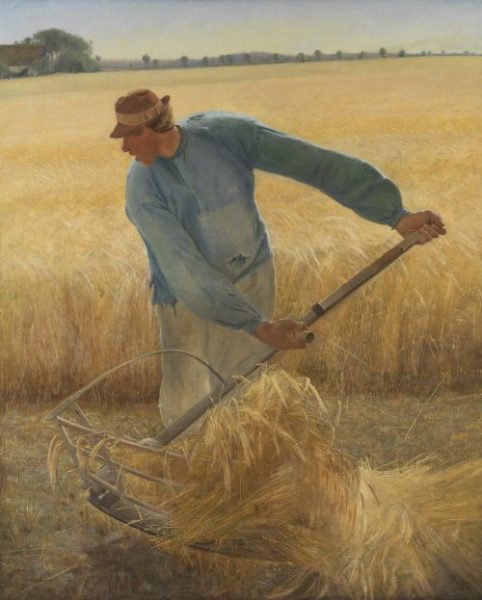
Harvesting
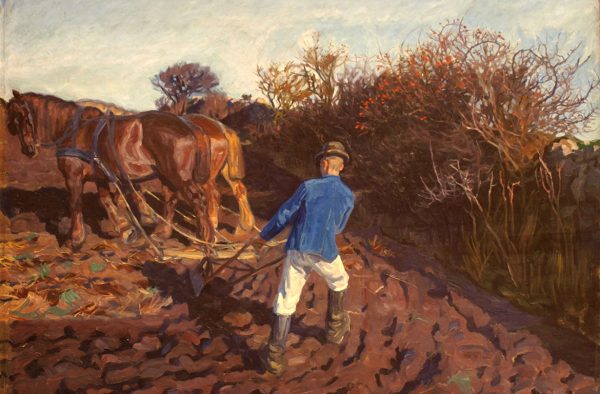
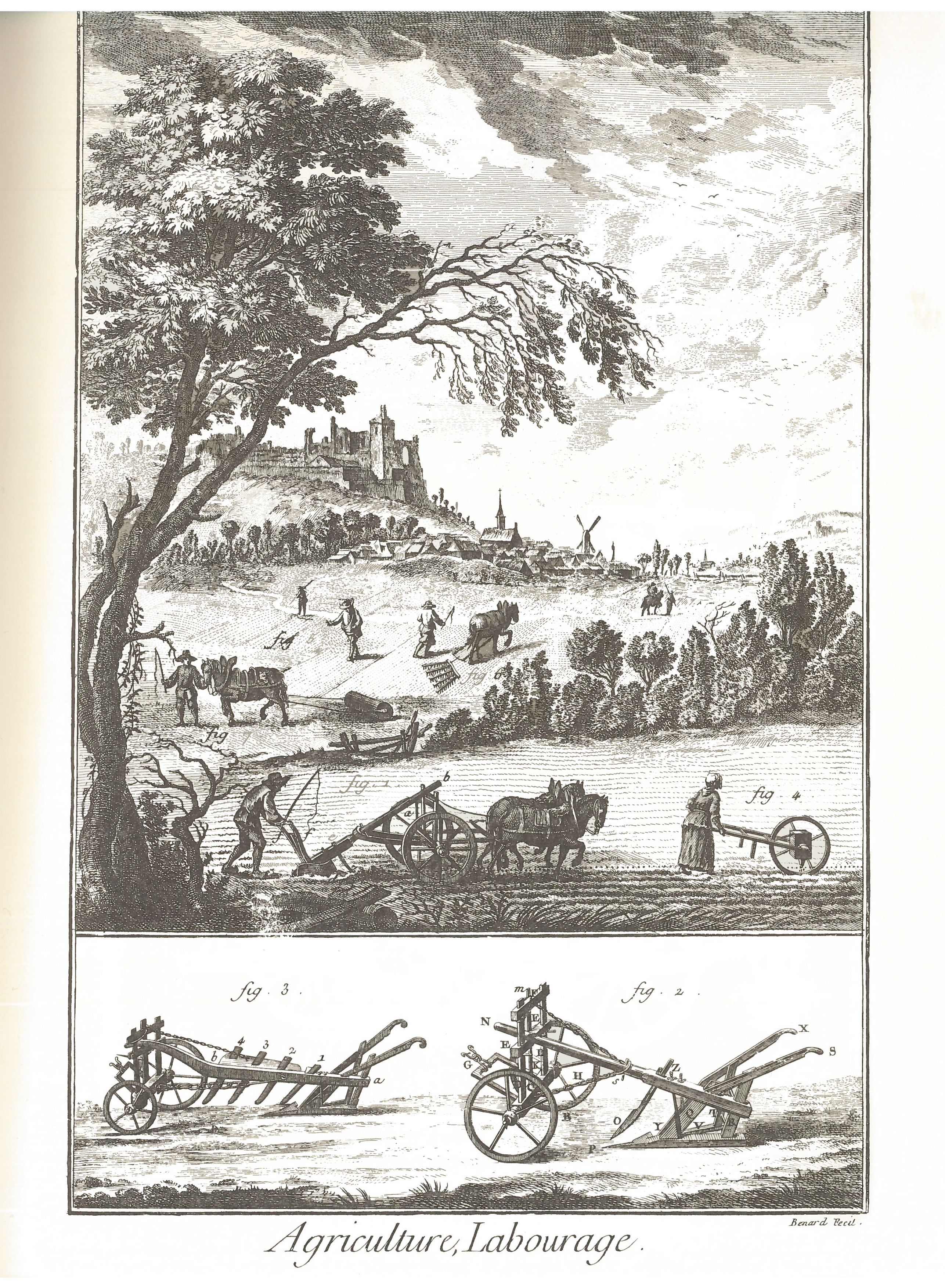
Ploughing 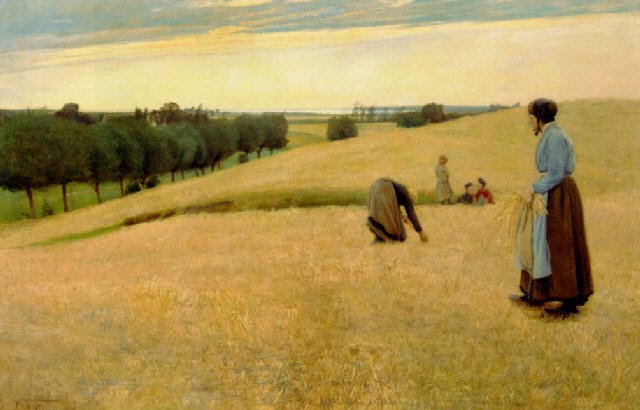
Gleaning
Proust, who was searching for the meaning of life, argued that great artists deserve acclaim because they show us the world in a way that is fresh, appreciative, and alive. Artists are people who know how to strip habit away and return life to its true deserved glory. Some of Proust’s most compelling pieces of writing describe the charm of the everyday – like reading on a train, smelling the flowers in spring time and looking at the changing light of the sun on the sea. The idea is to get us to look at our world with some of the same generosity as an artist, taking pleasure in simple things like water, the sky or a shaft of light on a piece of paper.
A group of artists, who gathered in the village of Skagen, in the northern part of Denmark, from the late eighteenth to early nineteenth century, depicted the essence of countryside life and landscape gracefully. Some of the paintings show exact moments of farmers’ lives in the fields. By looking at those painting we can not only feel the harmony between humans and nature vicariously, but we can also trace how farmers engaged with the landscape through the actions of agriculture. The movement of farmers with their tools expresses both burdened labour, and simultaneous what we are forgetting.
Søren Martinsen is a contemporary artist who lives in a Danish rural area and paints landscapes. His main theme is quite different from the Skagen painters, utilising more of a depressing and gloomy perspective on the realities of countryside life. However, it is the same principal that he captures in the essence of nature and human intervention. My focus on those artworks is that we cannot see the human action of agriculture on the field nor in the painting.
Advanced technology has replaced most of the tools regarding agriculture. It brings productivity and also results in the reduction of farmers. It is hard to find vigorously working farmers not only in the painting but also in reality. This circumstance became concerning for the farmers’ community.
Barrit in Denmark
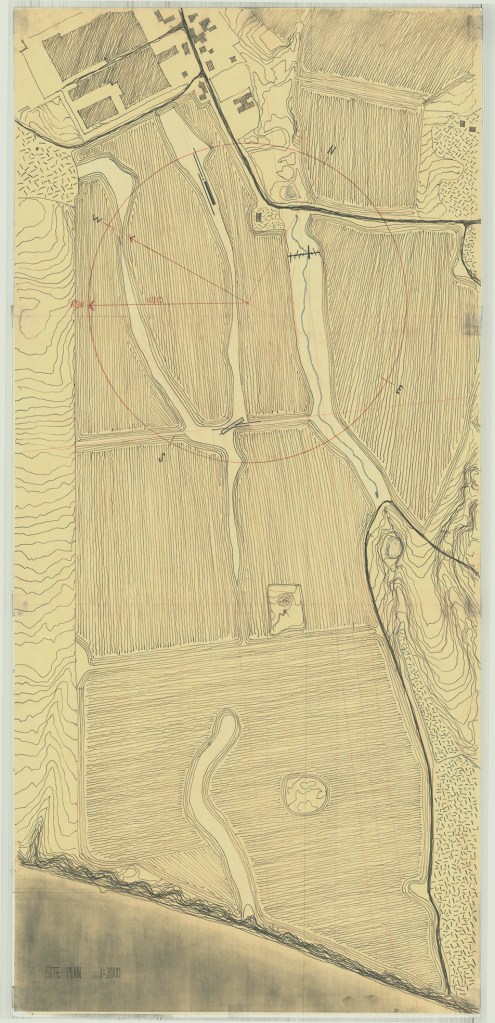
The lost action in Autumn: gleaning
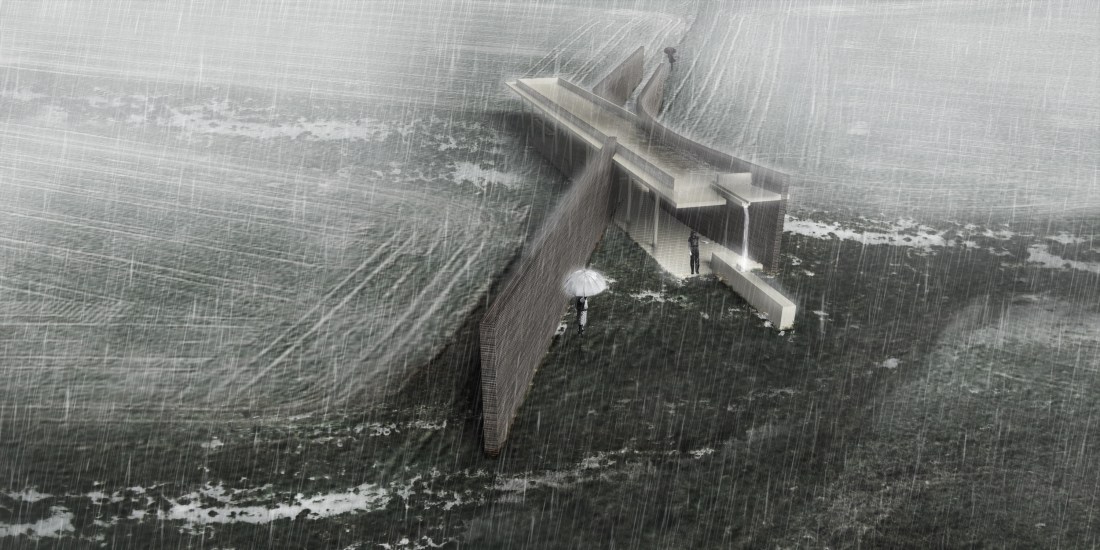
Gleaning was the action of searching and gathering what was left in the fields after harvesting in Autumn. This action is no longer present in the countryside, but ironically we can find in the urban condition, in which some people search for food or recycling cans on the street. What has been left on the field nowadays is the abandoned hay and rainwater. The area that the rainwater occupies in the farm is where the farmer cannot cultivate. We can see exactly the same posture when we are drinking water from the park fountain as that caused by the act of gleaning. If we can re-use part of the rainwater, the gleaning action can be embodied in the architecture, not only for human but also animals with natural diversity.
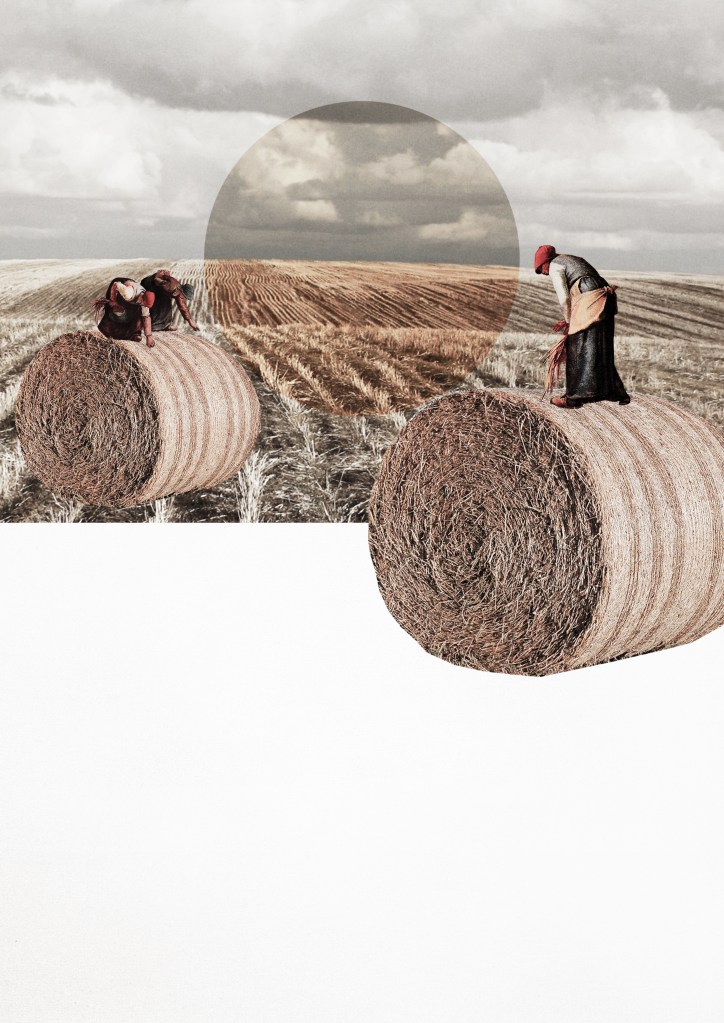
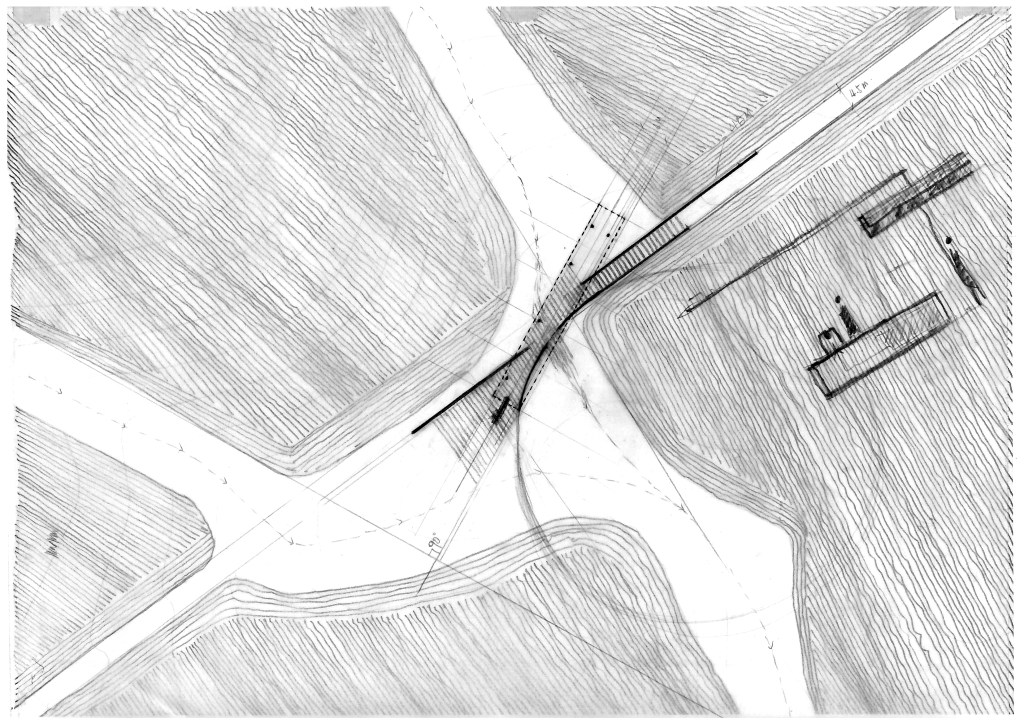
Shelter for drinking
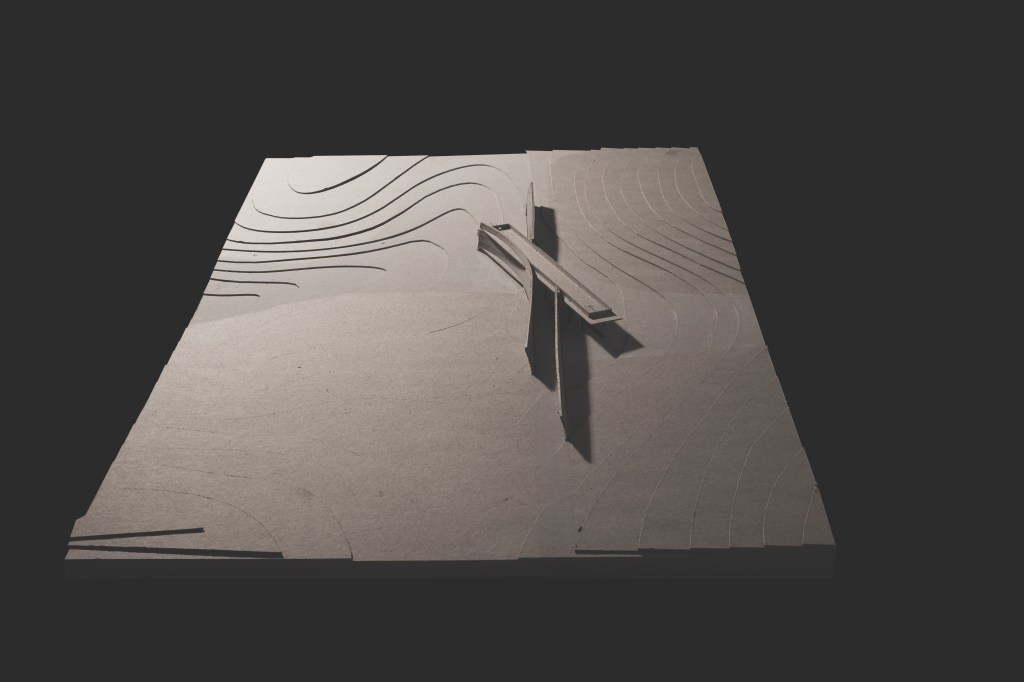
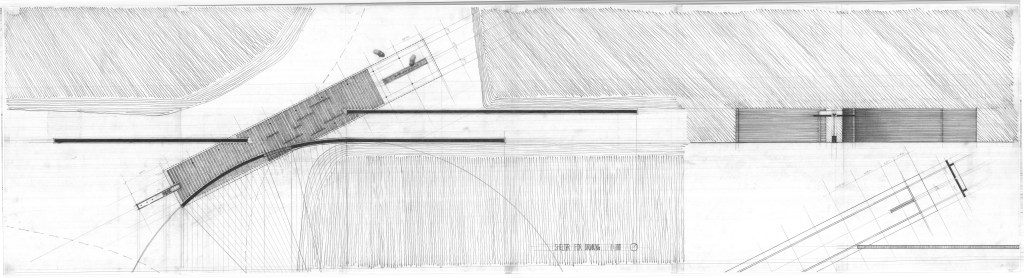
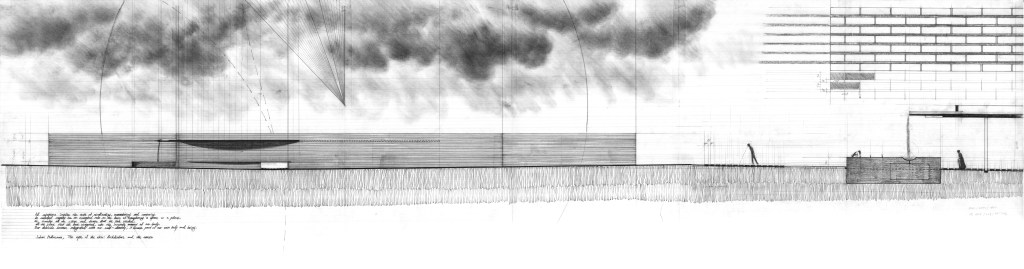
The lost action in Summer: harvesting(cutting, threshing, winnowing)
The lost tools: scythe, stick, basket
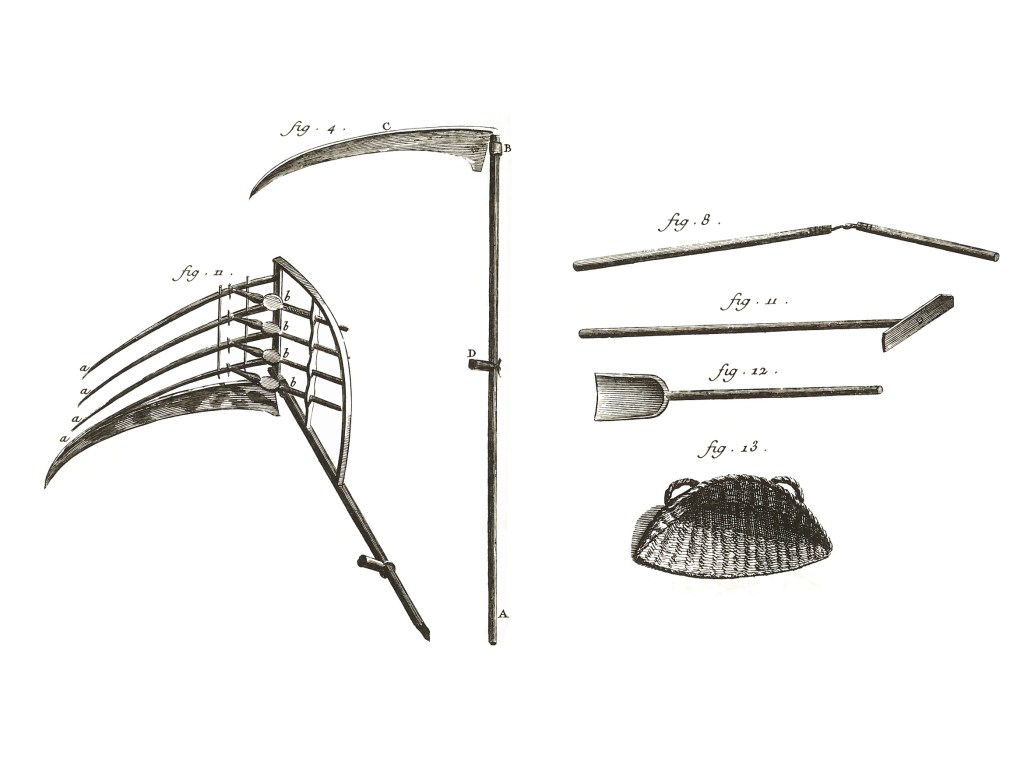
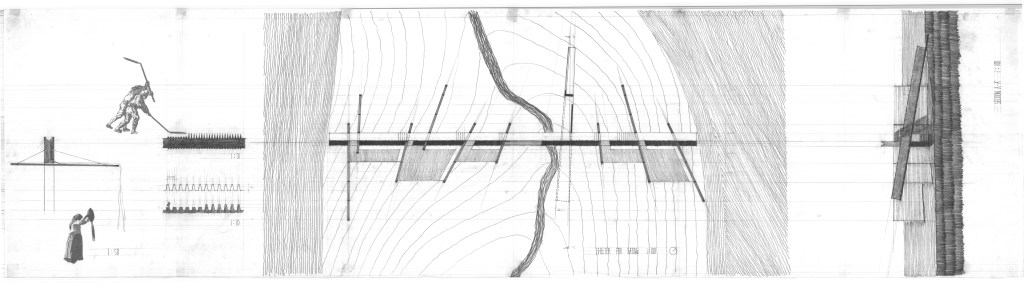
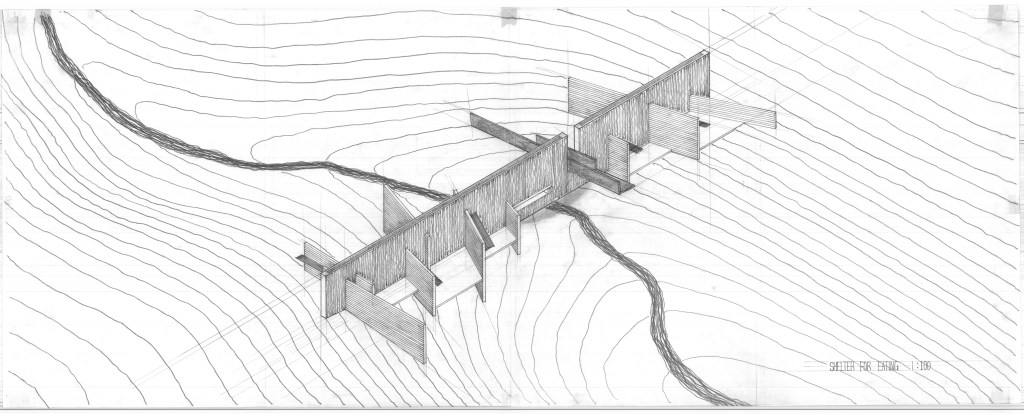
Having a close look at the action of harvesting, there are several actions that have disappeared: cutting crops with a scythe, threshing ears with long sticks, winnowing grain with the wind. Those actions are all replaced by one huge machine called a combine. However, the meaning of harvesting has not changed from its roots in festivity, the great achievement of agriculture, and abundant food.
Harvesting actions are all the action of separation; separating crops from the earth, fruits from the branch and grains from dust. Before the automation, those actions involved cooperation with the community – the actions of separation were convivial. Regarding architecture, the tectonic language of a wall acts in the same way, separating space. However, the space beside the wall simultaneously encourages people to gather.
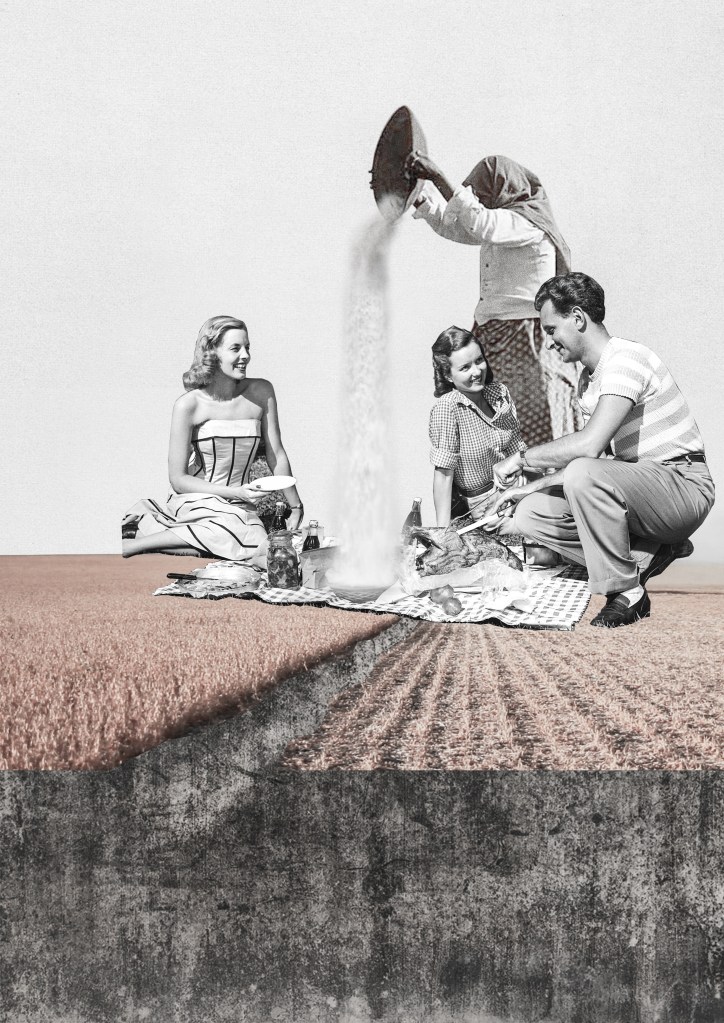
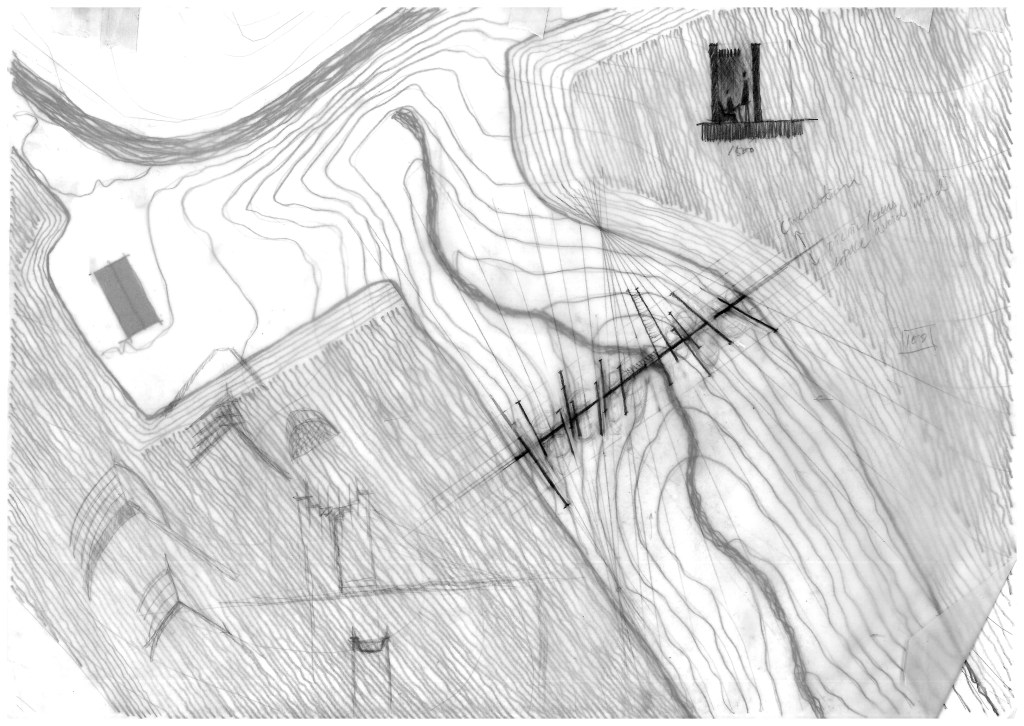
Shelter for eating
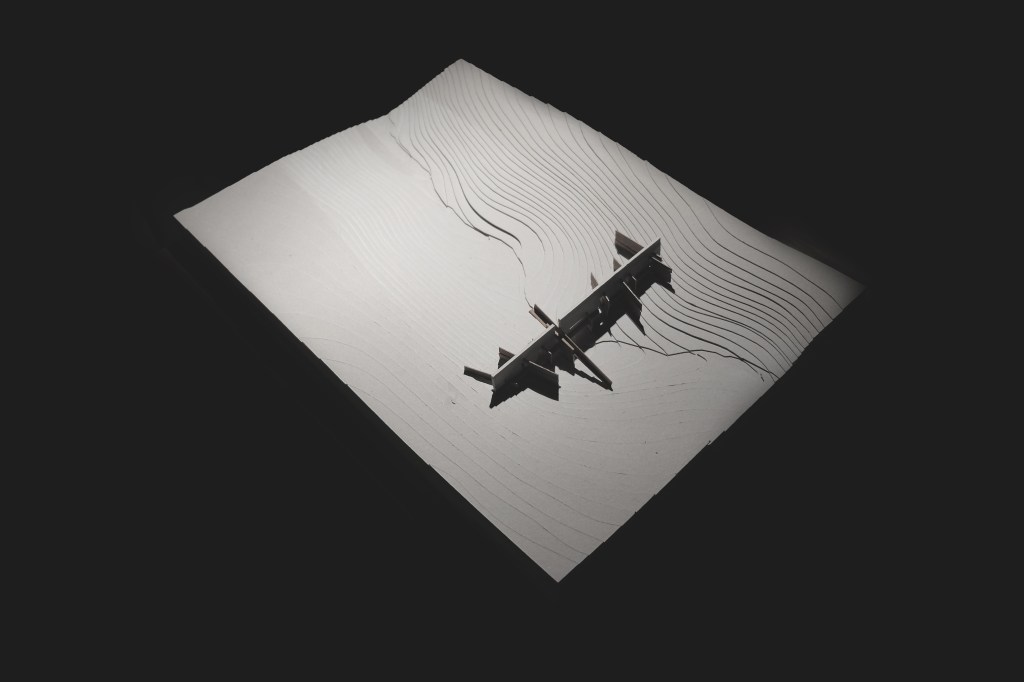
The lost action in Spring: ploughing, sowing
The lost tools: plough
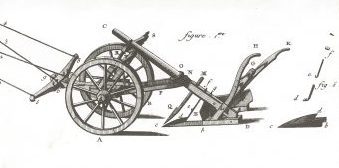
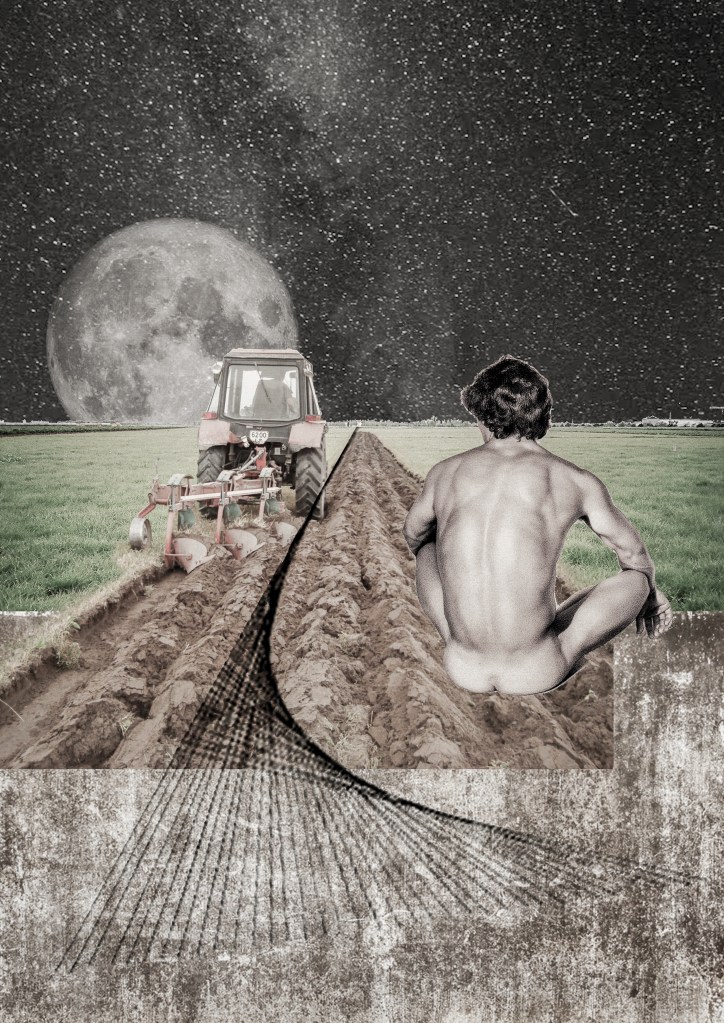
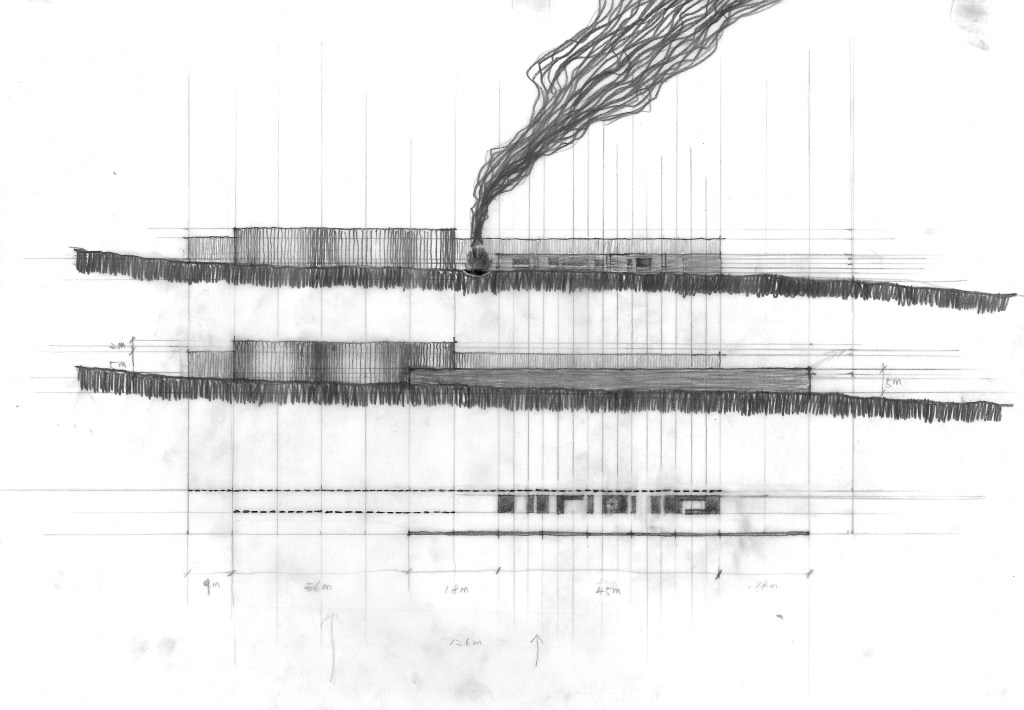
During the Spring, farmers prepare and plough the land for sowing seeds. Meanwhile, farmers need to understand the exact temperature and humidity of the earth, otherwise the seed will never sprouts and the whole year will become a failure. Farmers have to check the condition of their fields, because the weather forecast never tells you what your soil contains.
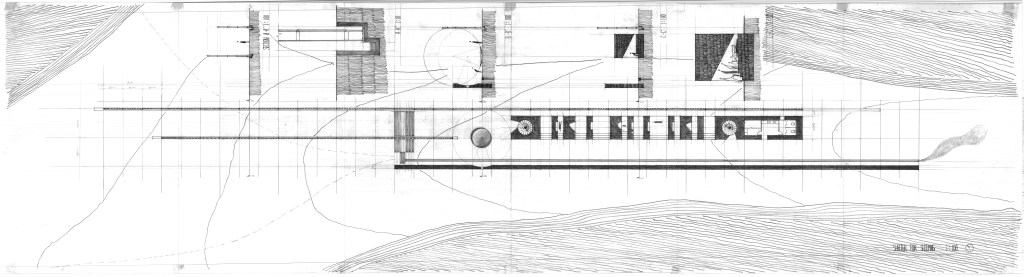
Shelter for sleeping